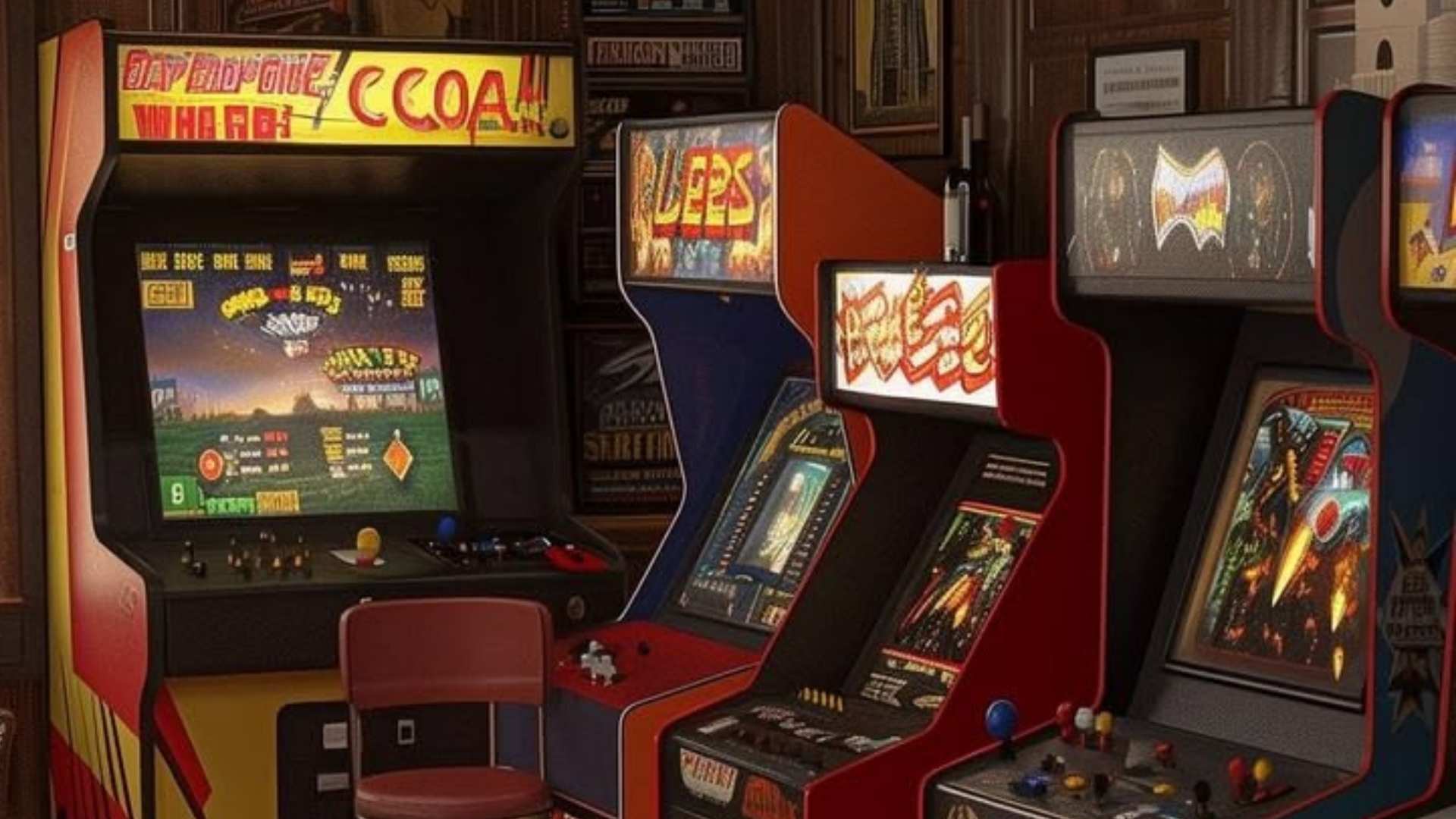
The modern digital landscape has revolutionized how we experience classic arcade entertainment, moving from heavy physical cabinets to sleek, responsive browser-based interfaces. For gamers who prioritize precision, finding titles with smooth controls is the ultimate goal for a satisfying session.
Precision Engineering in Browser Gaming
Modern developers are now utilizing advanced web technologies like WebAssembly to ensure that inputs are registered with millisecond accuracy. This level of responsiveness is crucial for fast-paced titles where a single delayed tap can end a high-score run.
High-quality arcade platforms prioritize low-latency performance to mirror the immediate feedback once found in vintage gaming halls. These technical improvements allow players to execute complex maneuvers effortlessly across various devices.
Ensuring that the game physics remain consistent across different browsers is a hallmark of a well-designed online experience. When software is optimized correctly, the transition between desktop and mobile play feels natural and uninterrupted.
Top Action Titles with Intuitive Interfaces
Action-oriented arcade games often feature simplified control schemes that allow players to focus on strategy rather than complex button combinations. This design philosophy makes the most popular titles accessible to casual gamers while retaining depth for experts.
Games that utilize dynamic touch controls or high-polling rate mouse inputs provide a significant competitive advantage in intense scenarios. Reliable platforms like M88.com offer diverse entertainment options that demonstrate how refined software can enhance user engagement through stable performance.
Visual feedback is just as important as mechanical responsiveness, as it confirms to the player that their actions have been recorded. Clear animations and sound cues work in harmony with the controls to create a truly immersive environment.
The Evolution of Platformer Responsiveness
In the realm of digital platformers, air control and acceleration curves define whether a game feels clunky or professional. The best modern iterations provide a weightiness that feels grounded yet allows for agile corrections during mid-air jumps.
Level design plays a secondary but vital role in highlighting the fluidity of the movement mechanics provided to the player. When paths are constructed with the character's speed in mind, the gameplay loop becomes an addictive flow state.
Developers often spend months fine-tuning the friction and gravity settings to ensure the character responds perfectly to the user's intent. This dedication to polish is what separates legendary arcade titles from forgettable browser experiments.
Future Trends in Interactive Control Systems
As we look toward the future, haptic feedback and gesture-based controls are beginning to make their way into standard web-based gaming. These innovations aim to provide a more tactile connection between the player and the digital world they inhabit.
Artificial intelligence is also being used to predict player movement and reduce the perceived lag caused by network fluctuations. This proactive approach ensures that the gaming experience remains smooth even when internet speeds are less than ideal.
The pursuit of the perfect control system is a never-ending journey for developers who want to keep the spirit of the arcade alive. By prioritizing the user's physical interaction with the game, the industry ensures that fun remains the primary focus.